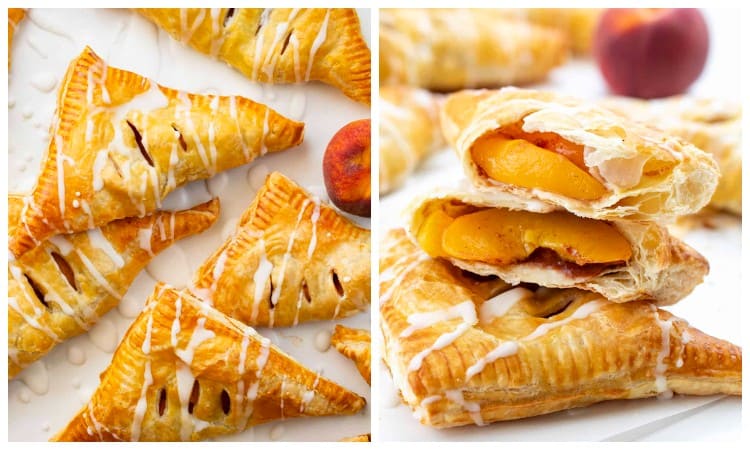
The Quest for the Perfect Peach Turnover: What Makes Them Irresistible?
There's something uniquely comforting and utterly delicious about a perfectly baked peach turnover. Imagine biting into a golden, flaky pastry crust, giving way to a warm, luscious filling of sweet, tender peaches, subtly spiced, with just a hint of tang. It's a symphony of textures and flavors that evokes memories of summer orchards and homemade goodness. While the concept of a peach turnover seems simple, achieving that "perfect" balance – a crust that shatters with every bite and a filling that's neither too runny nor too firm – requires a few insider tips and tricks. This guide will walk you through every step, ensuring your homemade
peach turnovers are nothing short of spectacular.
From selecting the ripest fruit to mastering the art of the pastry dough, we’ll uncover the secrets to baking peach turnovers that will impress family and friends alike. Forget store-bought imitations; once you've tasted the difference of a truly homemade, perfectly executed peach turnover, there's no turning back.
Picking Your Peaches: The Core of a Delicious Filling
The heart of any exceptional peach turnover is, naturally, the peaches themselves. Their quality dictates the overall flavor and success of your pastry.
Freestone vs. Clingstone: Which is Best?
When shopping for peaches, you'll encounter two main types: freestone and clingstone.
*
Freestone peaches are those where the flesh easily separates from the pit. These are generally preferred for baking and slicing, as they save a lot of time and effort in preparation.
*
Clingstone peaches, as the name suggests, have flesh that clings tightly to the pit, making them harder to work with for recipes requiring precise slices. While delicious for eating fresh, opt for freestone varieties whenever possible for your
peach turnovers.
Ripeness is Key: How to Choose a Perfect Peach
The ripeness of your peaches directly impacts the sweetness and texture of your filling.
*
Smell: A ripe peach will have a distinct, sweet, and fragrant aroma. Don't be shy; give it a sniff!
*
Feel: Gently squeeze the peach. It should give slightly, indicating juiciness, but not be mushy. Hard peaches are underripe, while overly soft ones might be bruised or past their prime.
*
Color: While color varies by variety, look for peaches with vibrant, rich hues, typically without green patches, especially near the stem.
If your peaches are a little firm, you can ripen them at home by placing them in a paper bag at room temperature for a day or two.
Fresh, Frozen, or Canned?
While fresh, in-season peaches are undeniably the best choice for unparalleled flavor, they aren't always available.
*
Fresh Peaches: The gold standard. Their vibrant flavor and firm texture are perfect for baking.
*
Frozen Peaches: A fantastic alternative. They are typically picked at peak ripeness and flash-frozen. Thaw them completely and drain any excess liquid before using to prevent a watery filling. Frozen peaches are often already peeled and sliced, saving you time.
*
Canned Peaches: Use these as a last resort. Ensure they are packed in light syrup or water, not heavy syrup, and drain them thoroughly. You will likely need to adjust the sugar content in your filling.
Secrets to a Flaky, Golden-Brown Crust
The crust of a peach turnover is just as important as the filling. It should be tender, crisp, and beautifully golden. Achieving this flakiness requires attention to a few critical details.
The Importance of Cold Ingredients
This is perhaps the most crucial rule for a flaky pastry.
*
Cold Butter/Fat: Using very cold butter (or shortening, or a combination) is essential. As the cold fat melts in the oven, it releases steam, creating pockets that result in a flaky texture. Warm fat will simply blend into the flour, leading to a tough or crumbly crust.
*
Cold Water: Just like the butter, use ice-cold water. This keeps the butter from melting prematurely and helps prevent overworking the dough.
All About the Fat: Butter, Shortening, or Both?
The type of fat you use significantly influences the crust's flavor and texture.
*
Butter: Provides unparalleled flavor and a rich, golden color. However, it has a lower melting point, making it slightly trickier to work with for maximum flakiness.
*
Shortening: Has a higher melting point, which contributes to an incredibly flaky and tender crust. It's also easier to handle. However, it lacks the rich flavor of butter.
*
A Blend: Many bakers prefer a 50/50 blend of cold butter and cold shortening. This combination offers the best of both worlds: the flavor of butter and the superior flakiness of shortening.
Don't Overwork the Dough!
Overworking dough develops gluten, which can make your crust tough and less tender. Mix just until the ingredients are combined and no dry streaks of flour remain. A light touch is key. Once formed, chilling the dough for at least 30 minutes (or up to two days) helps relax the gluten, making it easier to roll and contributes to a flakier end product. For a detailed step-by-step recipe that guides you through the perfect dough, check out our
Easy Homemade Peach Turnovers Recipe Guide.
Rolling Out the Dough: Evenness and Thickness
When rolling out your dough, aim for an even thickness, typically about 1/8 inch. Inconsistent thickness can lead to uneven baking, with some parts crisp and others undercooked. Use a lightly floured surface and rolling pin, and turn the dough frequently to prevent sticking.
Crafting the Ideal Peach Filling: Sweet, Tangy, and Just Right
A perfect filling is juicy without being watery, sweet without being cloying, and packed with peachy flavor.
Prepping Your Peaches: Peeling and Slicing
*
Peeling: While optional, peeling peaches creates a smoother, more refined filling. The easiest way to peel peaches is by blanching: drop them into boiling water for 30-60 seconds, then immediately transfer them to an ice bath. The skins will then slip off easily.
*
Slicing: Slice your peaches into uniform pieces, about 1/2-inch thick. This ensures even cooking and a consistent texture in your filling.
Balancing Sweetness and Acidity
Peaches vary in sweetness depending on their ripeness and variety.
*
Sugar: Granulated sugar is standard, but a touch of brown sugar can add depth. Start with a moderate amount and taste a small piece of peach (before cooking) to gauge how much more might be needed.
*
Lemon Juice: A squeeze of fresh lemon juice is non-negotiable! It brightens the peach flavor, prevents the filling from becoming overly sweet, and helps prevent browning.
Thickening Agents: Cornstarch, Flour, or Tapioca?
To prevent a runny filling that can make your turnovers soggy, a thickening agent is crucial.
*
Cornstarch: A popular choice, providing a clear, glossy finish. Use about 1 tablespoon per cup of fruit.
*
All-Purpose Flour: Also effective, but can sometimes give the filling a slightly cloudy appearance.
*
Tapioca Starch (or Instant Tapioca): Excellent for fruit fillings, as it creates a clear, gel-like consistency and holds up well during baking without breaking down. About 1 tablespoon per cup of fruit.
A Touch of Spice: Elevating the Flavor
While peaches shine on their own, a touch of spice can elevate your filling from good to extraordinary.
*
Cinnamon: The classic pairing, offering warmth and sweetness.
*
Nutmeg: A subtle hint adds complexity.
*
Cardamom: For a more gourmet twist, cardamom offers a bright, floral note that beautifully complements peaches.
*
Almond Extract: A tiny drop can enhance the peach flavor without overpowering it.
Assembling and Baking Your Peach Turnovers to Perfection
The final steps are where all your careful preparation comes together.
Filling Without Overfilling
This is a common mistake. While tempting to load up on filling, leave at least a 1/2-inch border around the edges of your dough squares or circles. Too much filling makes sealing difficult and increases the risk of leaks during baking.
The Art of Sealing: No Leaks Allowed!
A leaky turnover is a sad turnover.
*
Moisten the Edges: Before folding, lightly brush the edges of your dough with a little water or egg wash. This acts as glue.
*
Fold and Crimp: Fold one side of the dough over the filling to meet the other edge, forming a half-moon or triangle. Press firmly along the edges with your fingers, then use the tines of a fork to create a decorative, secure crimp.
Venting for Steam Release
Steam needs an escape route! Use a sharp knife to cut 2-3 small slits on the top of each turnover. This prevents the turnovers from bursting open dramatically and ensures a crisp crust.
The Golden Finish: Egg Wash and Sugar Topping
*
Egg Wash: Brush the tops of your assembled
peach turnovers with an egg wash (one egg beaten with a tablespoon of water or milk). This gives them a beautiful golden-brown color and a lovely sheen.
*
Coarse Sugar: For extra crunch and sparkle, sprinkle coarse turbinado sugar over the egg-washed tops. This also adds a delightful textural contrast.
Baking Temperature and Time
Baking at the correct temperature is crucial for a perfectly cooked crust and filling.
*
Preheat Thoroughly: Always ensure your oven is fully preheated before placing the turnovers inside.
*
High Initial Heat: Some recipes recommend starting with a slightly higher temperature (e.g., 400°F/200°C) for the first 10-15 minutes to help the crust puff up, then lowering it to a moderate temperature (e.g., 375°F/190°C) to finish baking evenly.
*
Watch for Golden Brown: Bake until the crust is deeply golden brown and the filling is bubbling, which indicates it's cooked through and thickened. This usually takes 20-30 minutes, depending on size. For achieving that truly sweet and flaky result, refer to
The Ultimate Peach Turnovers: Sweet & Flaky for more in-depth techniques.
Conclusion
Baking perfect
peach turnovers is a rewarding culinary journey that combines careful ingredient selection with precise technique. By paying attention to the details – from choosing ripe, freestone peaches and keeping your pastry ingredients cold, to crafting a balanced filling and sealing your turnovers securely – you can create a dessert that embodies the essence of homemade perfection. These tips and tricks will empower you to bake sweet, flaky pockets of peachy goodness every time, turning simple ingredients into an irresistible treat that celebrates the best of summer. So, roll up your sleeves, embrace the process, and get ready to enjoy the ultimate peach turnover experience!